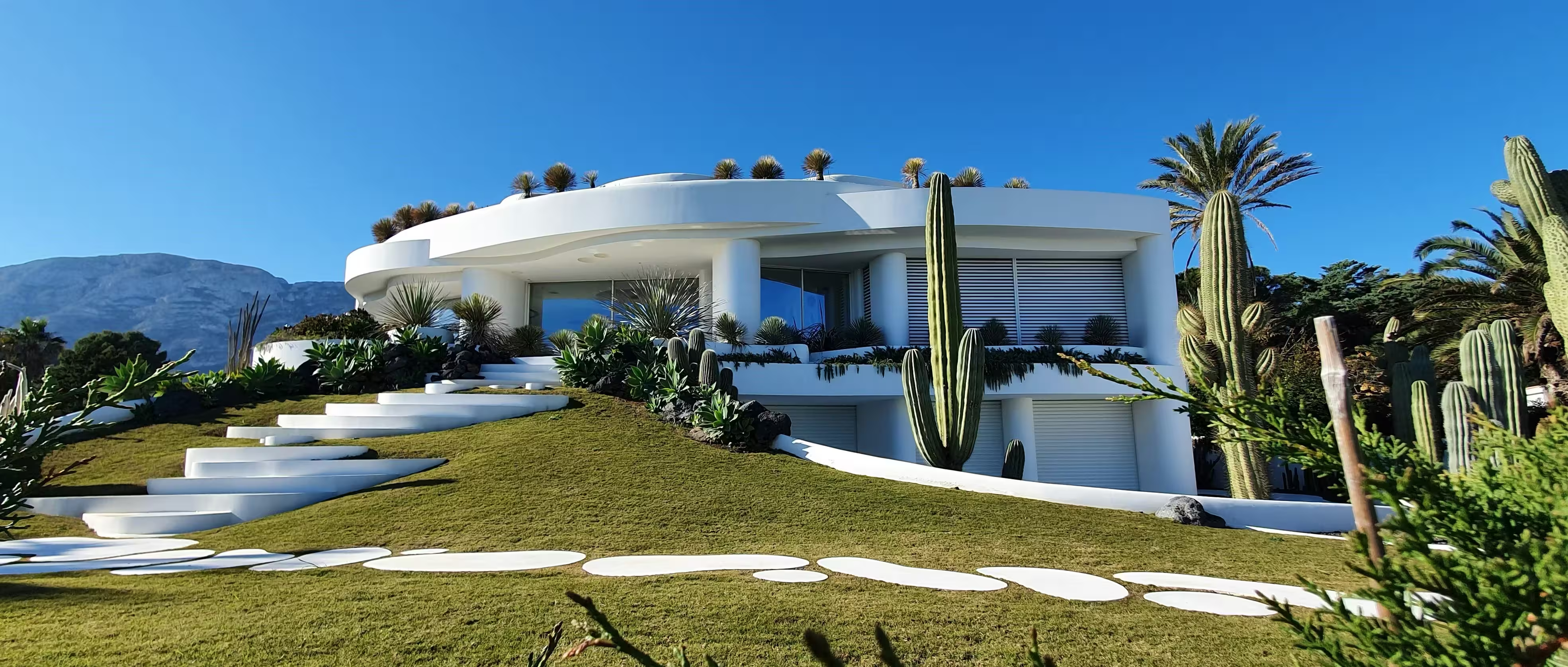
Sloping sites offer some of the most desirable opportunities in residential architecture. Elevated views, natural breezes and dynamic multi-level layouts can create exceptional homes. However, these sites also introduce complex challenges relating to water movement, soil pressure and structural protection.
Effective waterproofing and drainage strategies are therefore essential components of successful hillside design. Without careful planning, water can accumulate behind retaining structures, infiltrate basement levels or undermine foundations over time.
At ISA™, we approach luxury home design on sloping sites through coordinated architectural and engineering planning. Our ISO 9001, ISO 45001 and ISO 14001 certified systems support rigorous documentation and risk-aware design practices throughout the project lifecycle.
Water naturally flows downhill. On sloping sites, this means rainfall and groundwater can move toward the building if levels and drainage pathways are not carefully designed.
Homes built into hillsides often include retaining walls, basement levels or partially embedded structures. These elements must resist both soil pressure and moisture infiltration.
Without appropriate waterproofing and drainage systems, water accumulation can lead to structural deterioration, mould growth or long-term maintenance issues.
The first step in managing water on a sloping site is understanding how surface runoff behaves during rainfall events. Roof drainage, landscape grading and paved areas all influence how water travels across the property.
Effective site planning directs surface water away from buildings and toward controlled drainage points. This often includes graded surfaces, swales and drainage channels designed to guide water safely through the site.
Early architectural planning ensures that building levels and external spaces work with natural water flow rather than against it.
Retaining walls commonly used on sloping sites must manage water pressure from the soil behind them. When water accumulates within soil, it increases hydrostatic pressure and places additional load on the retaining structure.
Subsoil drainage systems are typically installed behind retaining walls to relieve this pressure. These systems often include perforated drainage pipes, gravel backfill and geotextile filtration layers.
By directing water away from the wall, these systems help maintain structural stability and reduce long-term stress on the retaining structure.
Luxury homes on sloping sites frequently incorporate basement garages, storage areas or lower-level living spaces. These spaces require robust waterproofing strategies to prevent moisture infiltration.
Waterproofing membranes, drainage layers and protective barriers are typically applied to external walls below ground level. These systems help prevent groundwater from penetrating structural elements.
Proper detailing and installation are critical, as underground waterproofing systems can be difficult to access once construction is complete.
Landscaping plays an important role in managing water on hillside properties. Terraces, planting beds and paved surfaces can influence how rainfall is absorbed or redirected.
Carefully designed landscaping allows water to be dispersed gradually rather than concentrated in a single area. This can help reduce erosion and protect structural elements.
Collaboration between architects, engineers and landscape designers ensures drainage strategies are integrated across the entire site.
Roof drainage is another critical component of water management. Large roof areas can collect significant volumes of water during heavy rainfall events.
Downpipes and stormwater systems must be sized appropriately and connected to approved discharge points. In many hillside homes, this requires careful coordination with site grading and drainage infrastructure.
Directing roof water safely away from foundations helps protect both the building structure and surrounding landscaping.
Waterproofing and drainage design involves coordination between architects, structural engineers, hydraulic consultants and builders. Each discipline contributes specialised expertise to ensure water management systems perform effectively.
At ISA™, we prioritise early consultant coordination to identify potential risks before construction documentation begins. Our ISO-certified processes support systematic design reviews and clear communication between project teams.
Water management systems must remain functional for decades. Environmental conditions, soil behaviour and seasonal rainfall patterns all influence how drainage systems perform over time.
Thoughtful design can significantly reduce risk, but it is important not to imply guaranteed outcomes. Regular maintenance, inspection and responsible construction practices all contribute to long-term performance.
The goal of good design is to create robust systems that manage water effectively while supporting the architectural vision of the home.
Sloping sites naturally direct water downhill. Without proper drainage systems, water can accumulate around structures and cause long-term damage.
Subsoil drainage refers to underground drainage systems designed to remove water from soil behind retaining walls or around foundations.
Yes. Basement walls and floors are often below ground level, so they require waterproof membranes and drainage systems to prevent moisture infiltration.
Landscaping can influence how water moves through a site by dispersing runoff and reducing soil erosion.
Through coordinated architectural planning, ISO-certified quality systems and early collaboration with structural and hydraulic consultants.
Sloping sites create extraordinary opportunities for architectural design, but they also demand careful attention to water management. Waterproofing and drainage strategies must be integrated into the design from the earliest stages.
When architecture, engineering and landscape design work together, hillside homes can remain durable, resilient and beautiful for generations.

Copyright © 2026 ISA™. All Rights Reserved.