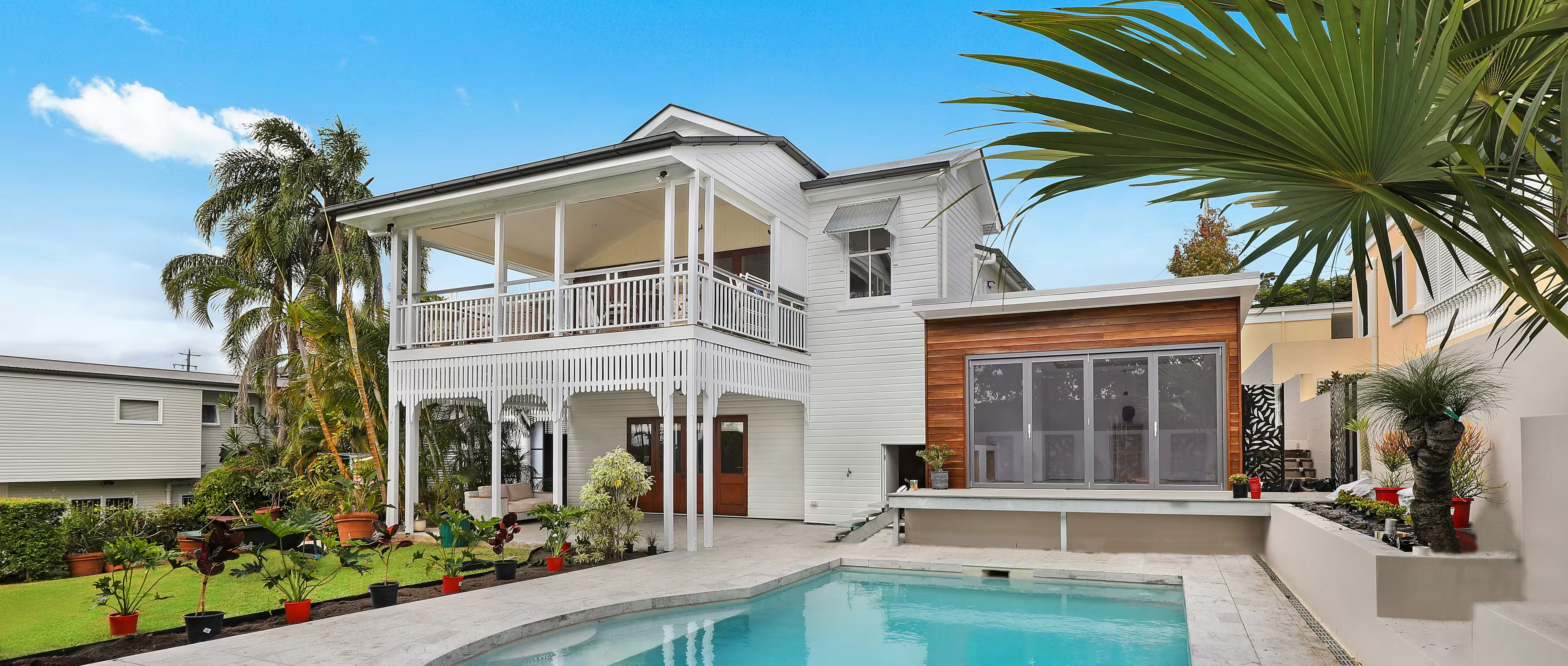
Sloping sites are common across Brisbane’s prestige suburbs. Hillside blocks often offer elevated views, natural breezes and unique architectural opportunities. However, they also introduce structural and engineering challenges that must be addressed carefully during the design process.
One of the most critical components of hillside construction is the retaining wall system. These structures stabilise soil, manage level changes and protect both the building and surrounding land from long-term movement.
At ISA™, we approach luxury home design on sloping sites through coordinated architectural and engineering planning. Our ISO 9001, ISO 45001 and ISO 14001 certified systems support rigorous documentation, structural coordination and environmental consideration throughout each project stage.
When a home is built on uneven terrain, the natural ground level must often be reshaped to accommodate the building footprint, outdoor living areas and access paths. Retaining walls hold back soil where levels are cut or filled.
Without properly designed retaining systems, soil pressure can cause ground movement, drainage issues or structural damage over time. For luxury homes, these risks can affect not only the building but also landscaping, pools and outdoor entertainment areas.
Early structural planning ensures retaining systems are integrated with the architecture rather than treated as secondary site works.
Retaining walls are structural elements that must be designed by qualified engineers. Their height, soil conditions and loading requirements determine the type of system required.
In high-end residential projects, retaining structures often interact with basement levels, driveway access and landscaped terraces. This means architectural and structural teams must coordinate closely from the earliest design stages.
ISA™ works alongside structural engineers to ensure retaining systems align with the building’s structural framework and long-term stability requirements.
Several retaining wall systems are commonly used in Brisbane residential construction. The appropriate choice depends on site conditions, design intent and engineering requirements.
Reinforced concrete retaining walls are widely used due to their strength and durability. They can support significant soil loads and integrate well with basement structures.
Other systems may include masonry retaining walls, sleeper retaining systems or engineered landscaping terraces. Each approach has different structural characteristics and visual outcomes.
One of the most overlooked aspects of retaining wall design is drainage. Water pressure behind a wall can significantly increase structural loads and accelerate deterioration if not properly managed.
Effective drainage systems typically include subsoil drainage, gravel backfill and controlled discharge points. These systems help relieve hydrostatic pressure and protect the retaining structure over time.
In Brisbane’s subtropical climate, rainfall intensity makes careful drainage planning particularly important.
In luxury homes, retaining walls are rarely hidden structural elements. They often form part of the architectural and landscape composition of the property.
Terraced gardens, pool decks and outdoor entertaining spaces frequently rely on retaining systems to create level platforms. When designed well, these walls can enhance the visual structure of the landscape.
Materials, textures and planting strategies can transform structural retaining walls into elegant architectural features.
Retaining walls may also be subject to planning and building regulations depending on their height and proximity to boundaries. Some walls require engineering certification and building approval before construction can begin.
Early consultation with architects, engineers and certifiers helps identify these requirements before design progresses too far. This reduces approval risks and helps keep projects moving smoothly.
Retaining walls must withstand long-term environmental exposure including moisture, soil pressure and temperature changes. Material selection and structural detailing therefore play an important role in durability.
While thoughtful design can improve resilience, it is important not to suggest guaranteed performance outcomes. Soil conditions, drainage behaviour and maintenance practices all influence long-term performance.
The goal of good architectural coordination is to minimise risk through careful planning and engineering collaboration.
Although they introduce engineering complexity, sloping sites can produce some of the most distinctive luxury homes. Multi-level layouts, elevated outdoor terraces and dramatic view corridors are often possible only on hillside blocks.
Retaining walls play a key role in unlocking these opportunities by shaping the terrain into usable architectural platforms.
When structural and architectural teams collaborate early, sloping sites can become a design advantage rather than a constraint.
Retaining walls stabilise soil where ground levels change, preventing erosion, soil movement and structural risks.
Retaining walls are typically designed by structural engineers in coordination with architects and landscape designers.
Depending on their height and location, retaining walls may require building approval and engineering certification.
Poor drainage is one of the most common causes of retaining wall failure because water pressure increases structural loads.
Through integrated architectural planning, ISO-certified quality systems and early coordination with structural engineers and consultants.
Retaining walls are often unseen structural systems that quietly support the success of luxury homes on sloping sites. When properly designed, they provide stability, enable beautiful landscapes and allow architecture to respond confidently to challenging terrain.
Good design recognises that structural engineering and architecture must work together. On Brisbane’s hillside blocks, that collaboration is what transforms complex sites into extraordinary homes.

Copyright © 2026 ISA™. All Rights Reserved.